What Olympic Weightlifting Is All About — It May Not Be What You Think!
Weightlifting is a sport that challenges its participants in a way that no other sport can—making them strong mentally as well as physically. Yet weightlifting is one of the most misunderstood sports in the world.
Mention the word “weightlifting” to anyone you meet and that person will probably affirm that he or she knows what weightlifting is. However, in my experience, most people do not understand the difference between those who participate in the actual sport of weightlifting and the millions of people who lift weights for a variety of other reasons. Moreover, an even larger majority of people harbor at least one major fallacy regarding the sport of weightlifting. Therefore, it is appropriate to begin this book by briefly explaining what weightlifting is, why one would want to participate in it and what major fallacies people often hold about the sport.
What Is Weightlifting?
Weightlifting is a sport that involves lifting a barbell overhead. Formally, the sport has existed on an international level in something resembling its current form for more than 100 years. Today, the sport is practiced in more than 130 countries around the world. It is the only event involving the use of heavy weights that is part of the Olympic Games (which is why the sport is often called “Olympic Lifting”).
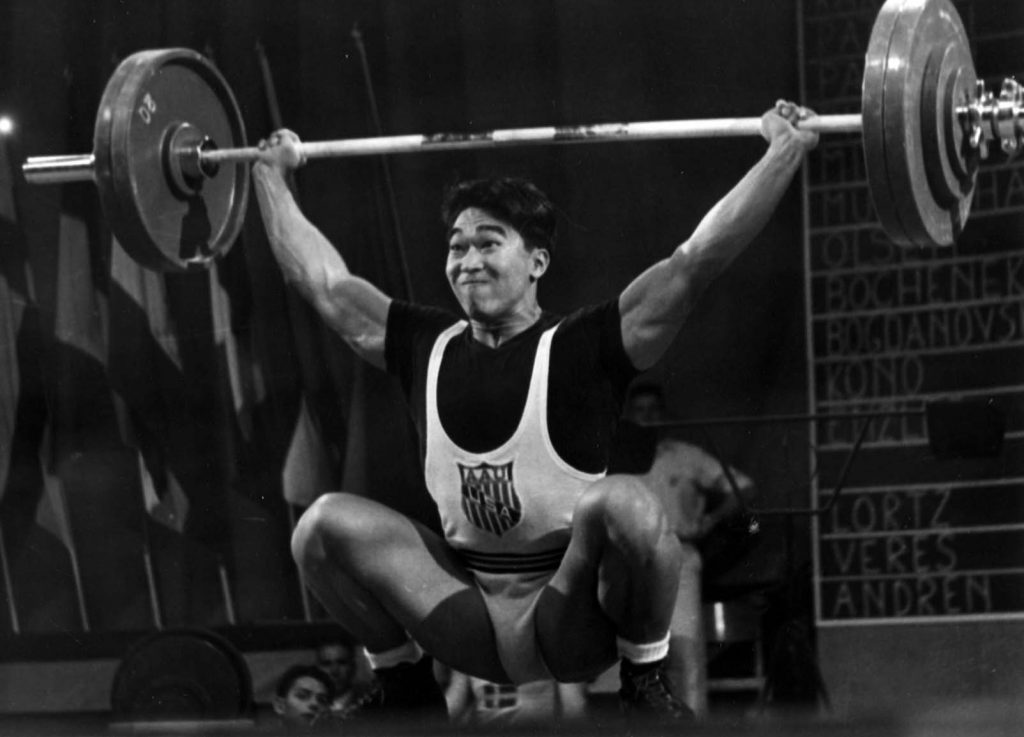
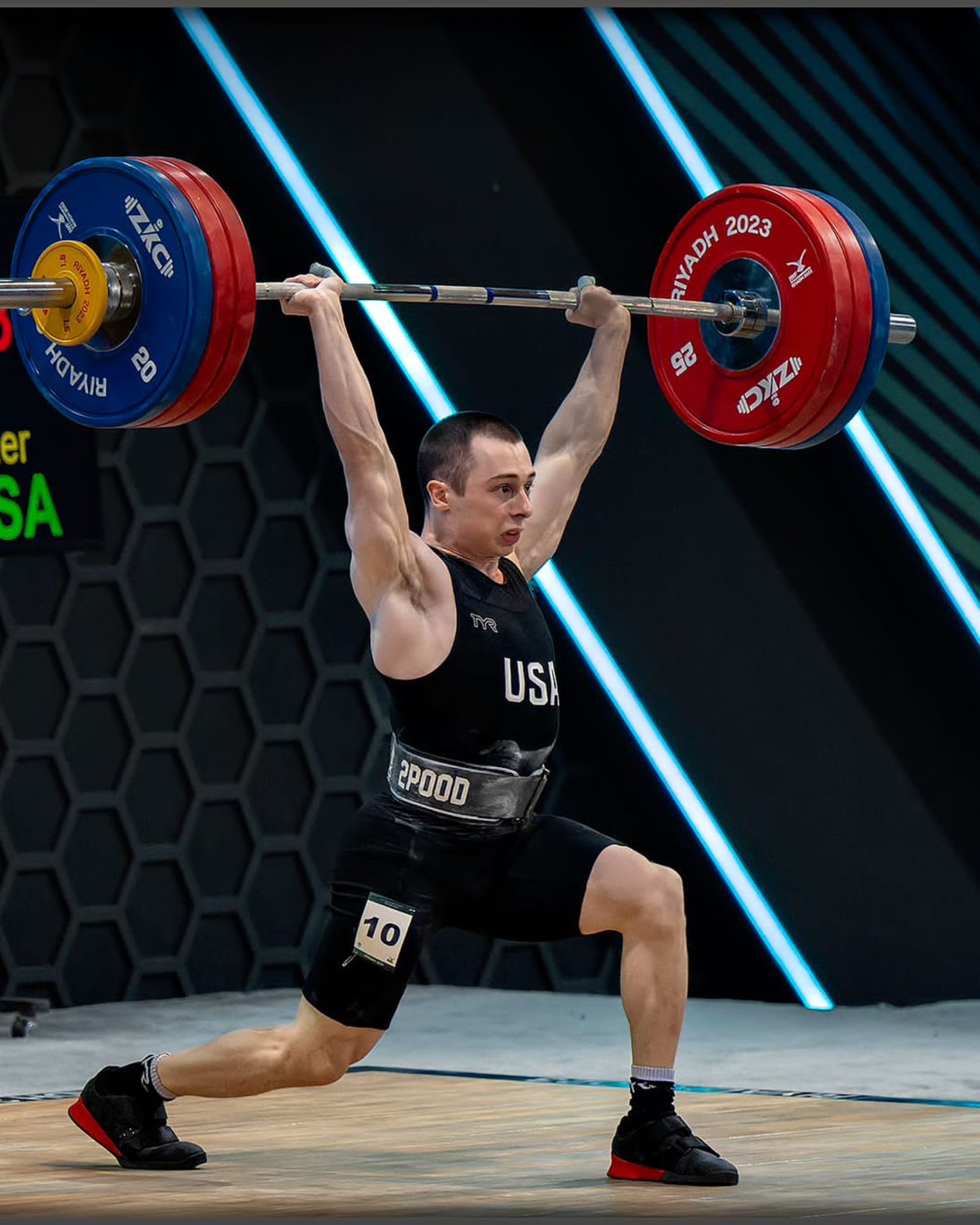
The sport of weightlifting consists of two events (which is why it is sometimes referred to as a biathlon). The first event, the snatch, involves lifting a barbell from the floor to arm’s length overhead in one continuous motion. It is one of the most difficult, explosive and elegant events in sport. The second event is called the clean and jerk (C&J). It involves lifting a barbell from the floor to the shoulders in one continuous motion and then, in a second motion, bringing the weight to arm’s length overhead. It is by far the single greatest test of strength in all of organized athletics (see Figs. 3 & 4 on for examples of the snatch and C&J, respectively).
Olympic Weightlifting: A Sport That Is As Wonderful As It Is Misunderstood
There may be no sport ever conceived by the mind of man or woman that is as misunderstood or underappreciated as the sport of Olympic-style Weightlifting – the sport that tests how much weight a man or a woman can lift from the ground to arm’s length above his or her head.
That the strongest men and woman in the world compete in weightlifting is understood by some people (although many still believe a falsehood—that other athletes are stronger than weightlifters). But most people think weightlifting is far more dangerous than it is, underestimate the speed, flexibility and coordination that is required to be a champion weightlifter, and are completely unaware of the sheer pleasure that there is in mastering the technique of weightlifting.
There is literally no other sport that challenges your strength, skill and mental powers more fully than weightlifting. All of these factors and others make weightlifting the uniquely fascinating and unbelievably rewarding sport that it is for men and women of all sizes and ages.
Interested in learning more? Read the complete Weightlifting Encyclopedia by Arthur Drechsler for free on Weightlifting.org. The encyclopedia covers Olympic weightlifting technique, training programs, competition strategy, biomechanics, and the history of the sport.